
Explore the transport system
- From
- Åsgard ESB
- To
- Kårstø
- Length
- 720 km
- Diameter
- 42″
- TSP
- Equinor
- Operator
- Gassco
- From
- Draupner E
- To
- Dornum/Emden
- Length
- 667 km
- Diameter
- 40″
- TSP
- Equinor
- Operator
- Gassco
- From
- Kårstø
- To
- Dornum
- Length
- 660 km
- Diameter
- 42″
- TSP
- Equinor
- Operator
- Gassco
- From
- Draupner E
- To
- Dunkerque
- Length
- 840 km
- Diameter
- 42”
- TSP
- Equinor
- Operator
- Gassco
- From
- Gjøa
- To
- FLAGS
- Length
- 131 km
- Diameter
- 28”
- Operator
- Gassco
- From
- Heidrun
- To
- Tjeldbergodden
- Length
- 250 km
- Diameter
- 16″
- TSP
- Equinor
- Operator
- Gassco
- From
- Kvitebjørn
- To
- Kollsnes
- Length
- 148 km
- Diameter
- 30″
- TSP
- Equinor
- Operator
- Gassco
- From
- Nyhamna
- To
- Sleipner
- Length
- 628 km
- Diameter
- 42″
- TSP
- Equinor
- Operator
- Gassco
- From
- Sleipner
- To
- Easington
- Length
- 543 km
- Diameter
- 44″
- TSP
- Equinor
- Operator
- Gassco
- From
- Norne
- To
- Årsgard Transport
- Length
- 128 km
- Diameter
- 16″
- TSP
- Equinor
- Operator
- Gassco
- From
- Ekofisk
- To
- Emden
- Length
- 440 km
- Diameter
- 36″
- Operator
- Gassco
- From
- Oseberg
- To
- Heimdal
- Length
- 110 km
- Diameter
- 36”
- TSP
- Equinor
- Operator
- Gassco
- From
- Aasta Hansteen
- To
- Nyhamna
- Length
- 482 km
- Diameter
- 36″
- Operator
- Gassco
- From
- Statfjord / Kårstø / Draupner S
- To
- Kårstø / Draupner S / Ekofisk
- Length
- 228 / 203 / 155 km
- Diameter
- 28” / 36” / 36”
- TSP
- Equinor
- Operator
- Gassco
- From
- Statfjord
- To
- FLAGS
- Length
- 24 km
- Diameter
- 32″
- TSP
- Equinor
- Operator
- Gassco
- From
- Kollsnes
- To
- Sture
- Length
- 8 km
- Diameter
- 8″
- Operator
- Gassco
- From
- Edvard Grieg
- To
- SAGE pipeline
- Length
- 94 km
- Diameter
- 16″
- Operator
- Gassco
- From
- OGT/Statpipe
- To
- St Fergus
- Length
- 361 km
- Diameter
- 32″
- Operator
- Gassco
- From
- Kollsnes
- To
- Mongstad via Sture
- Length
- 55 km
- Diameter
- 12″
- TSP
- Equinor
- Operator
- Gassco
- From
- Sleipner
- To
- Draupner S / Zeebrugge
- Length
- 39 km / 808 km
- Diameter
- 40”
- Capacity
- 55.0 / 42.2 MSm3/d
- TSP
- Equinor
- Operator
- Gassco
- From
- Kollsnes
- To
- Sleipner
- Length
- 299 km
- Diameter
- 40″
- TSP
- Equinor
- Operator
- Gassco
- From
- Kollsnes
- To
- Draupner E
- Length
- 300 km
- Diameter
- 40″
- TSP
- Equinor
- Operator
- Gassco
The Kårstø processing plant in North Rogaland plays a key role in the transport and processing of gas and condensate from central areas of the Norwegian continental shelf. The purpose of the Kårstø processing plant is to separate the hydrocarbons that arrive mixed in the rich gas pipelines Statpipe and Åsgard Transport. In addition, the Kårstø processing plant receives unstabilised condensate via a pipeline from the Sleipner area.
The gas mixture arriving at Kårstø is separated into the following products: methane, ethane, propane, butane mix, naphtha (natural gasoline) and stabilised condensate. The dry gas, consisting of methane and some ethane, is transported onward through the Statpipe dry gas pipeline and Europipe II. The wet gas products are shipped from the processing plant.
Technical Service Provider (TSP): Equinor
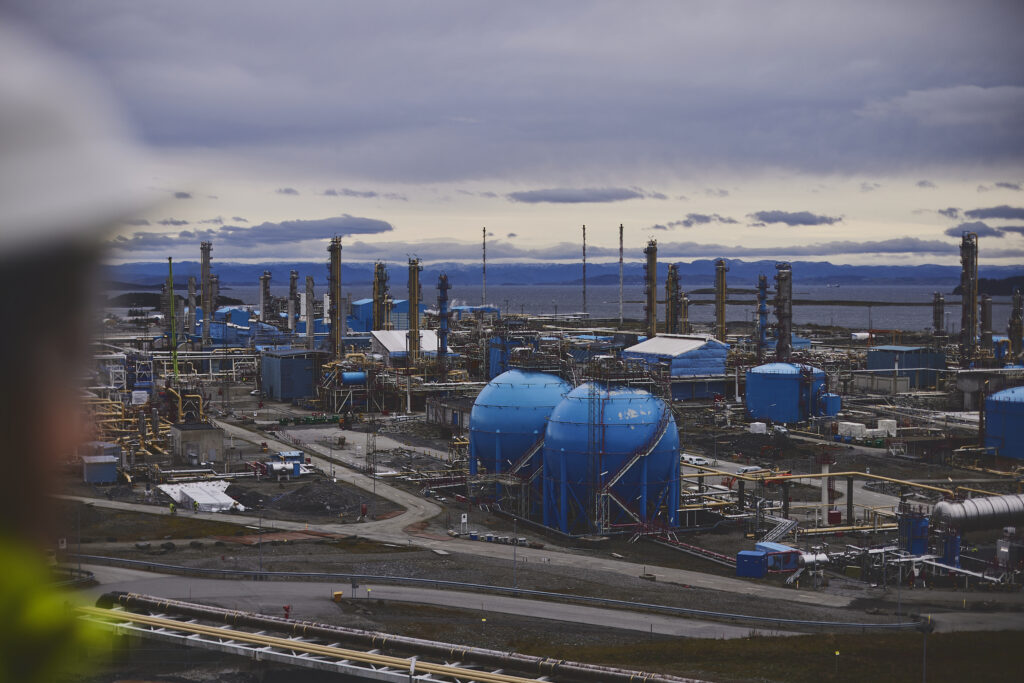
The processing plant at Kollsnes, northwest of Bergen, was commissioned in 1996 as part of the Troll development. Since start-up, the capacity of the Kollsnes facility has been expanded several times, and it now receives gas from fields including Troll, Kvitebjørn and Visund.
During processing at Kollsnes, the gas is dried and compressed before being transported to Europe through the pipeline systems Statpipe, Zeepipe, Europipe I and Franpipe.
Through Vestprosess, the Kollsnes facility is connected to the Mongstad oil refinery via a condensate pipeline.
Technical Service Provider (TSP): Equinor
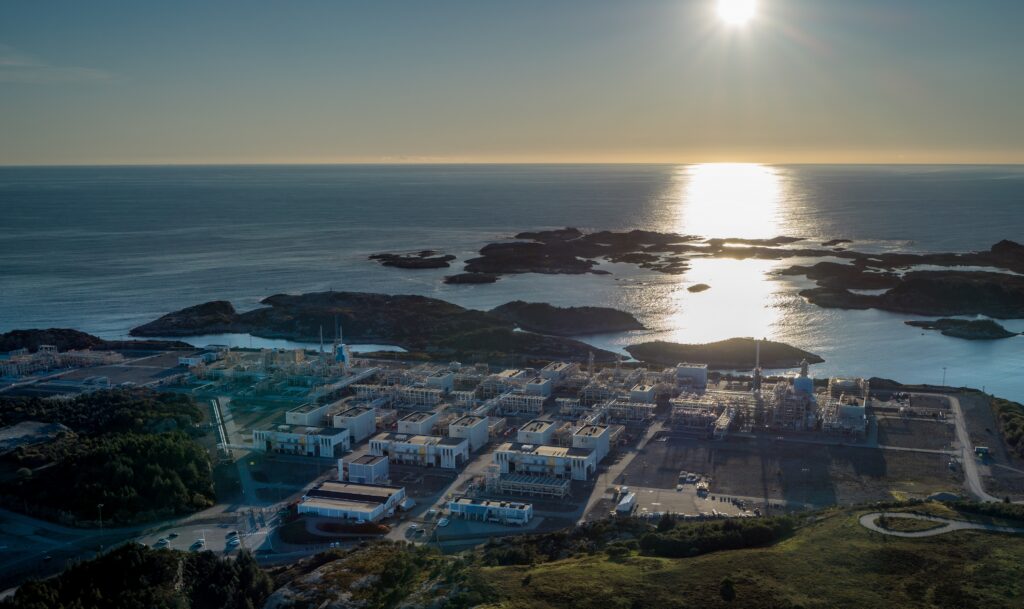
The processing plant at Nyhamna in the municipality of Aukra, Møre og Romsdal, was commissioned in 2007. Nyhamna was originally built as an onshore facility for the processing and export of gas from the Ormen Lange field in the Norwegian Sea. Following a significant upgrade, the facility is now capable of processing gas from other fields in the Norwegian Sea connected to the Polarled pipeline.
Technical Service Provider (TSP): Shell
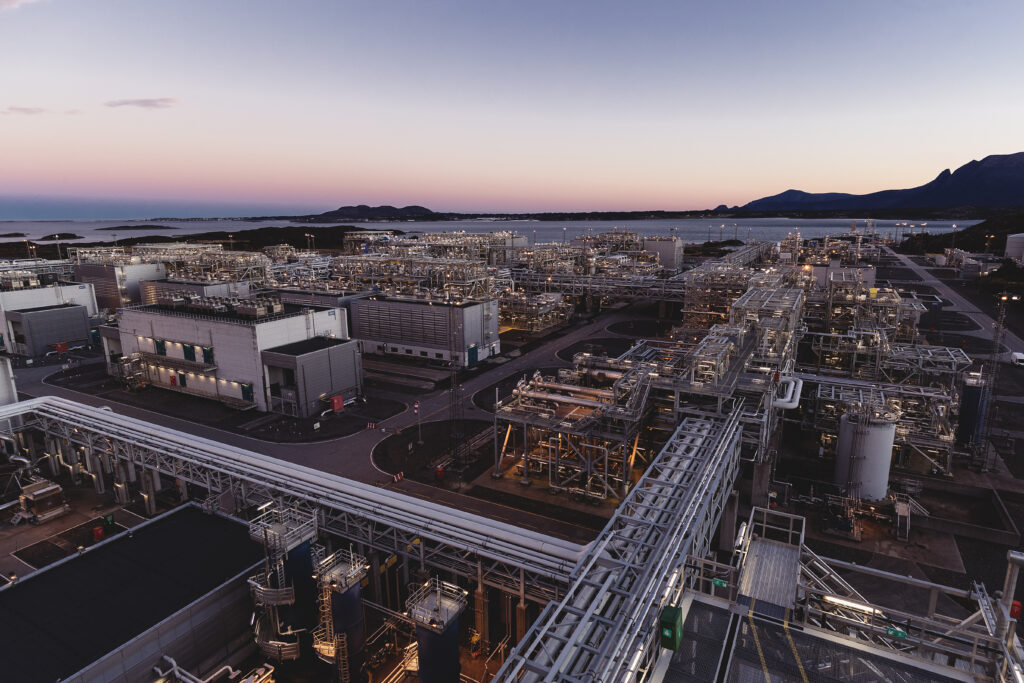
At the receiving terminal in Dornum, called Europipe Receiving Facilities (ERF), the pressure of the gas is reduced and the gas is heated up. ERF is controlled from the control room at EMS, which is located 48 km away.
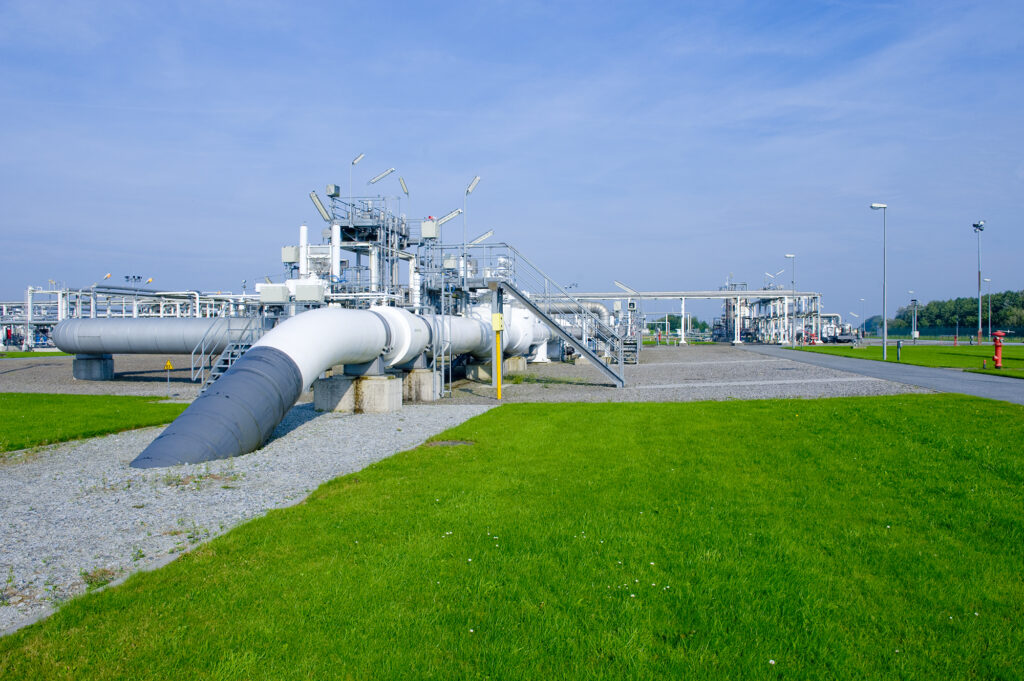
The receiving terminal is located in Dunkerque. Construction of the terminal was completed during the summer of 1998, and regular operation began October 1, 1998.
At the terminal, any liquid residue and solid particles are removed, and the gas is subjected to pressure and temperature regulation. Gas measurement and quality control are performed before the gas is sent on to the downstream transport operator.
The Dunkirk terminal is remotely controlled from the Zeepipe terminal in Belgium, located in Zeebrugge.
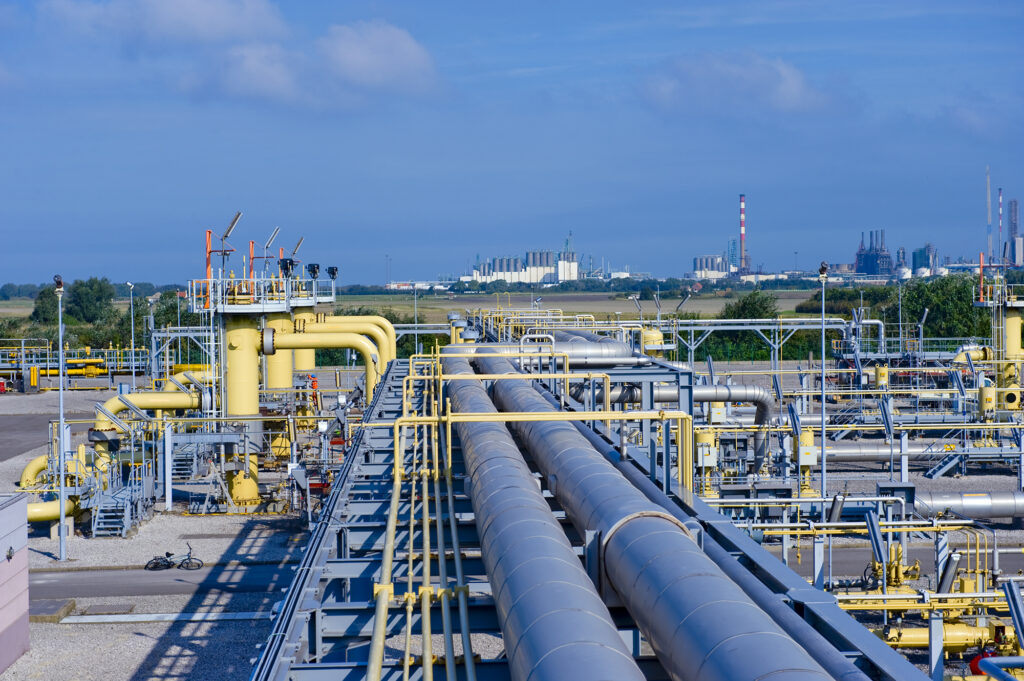
About the joint venture
The joint venture Dunkerque Terminal DA was established on February 9, 1995. The joint venture owns the receiving terminal for the Franpipe pipeline. The company as no employees and its work is managed through a ‘Management Committee’. Gassco is the operator of the joint venture and chairs the management committee.
The southern part of Langeled is a 44 inch pipeline from the Sleipner hub to the receiving terminal at Easington on the English east coast.
At the receiving facility the gas is regulated to the correct pressure and temperature before being sent further downstream to the transport operator.
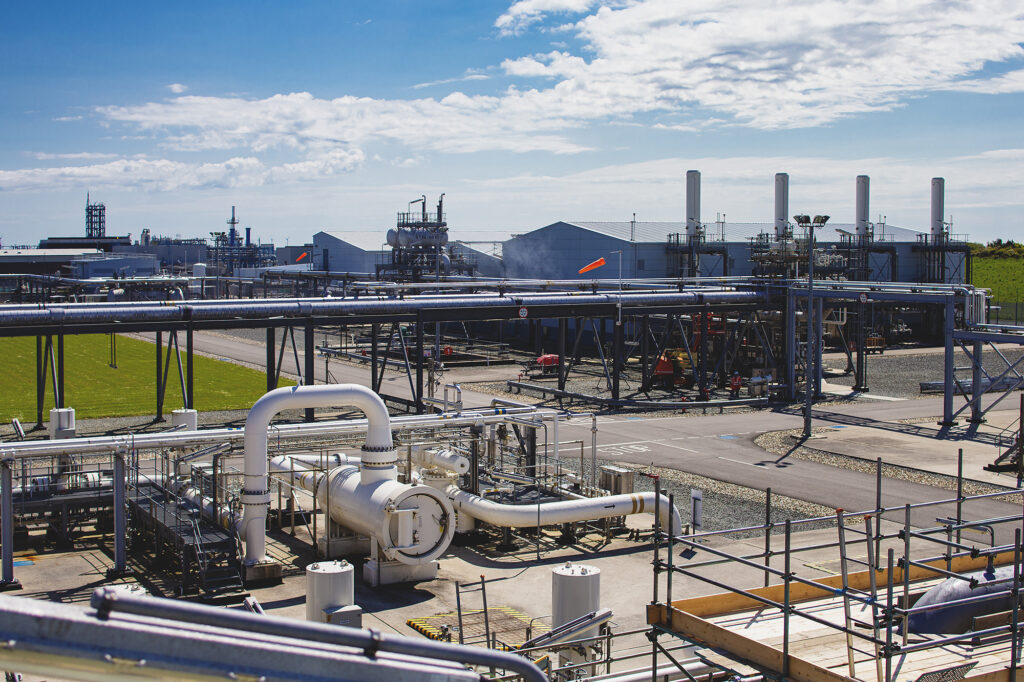
Operator: Gassco
In Emden, quality and quantity measurement of gas is carried out at the terminal facility called Europipe Metering Station (EMS), before it is handed over downstream to transport operators.
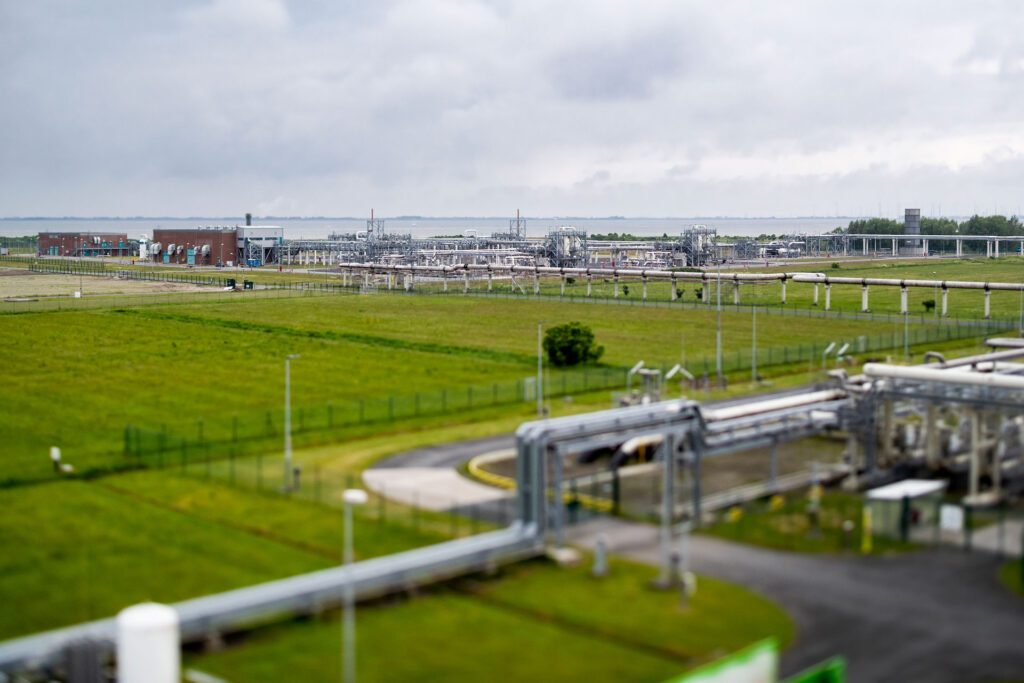
At the Norsea Gas Terminal in Emden, pressure and temperature regulation of the gas is carried out before it passes through a facility for hydrogen sulfide (H2S) treatment. Gas measurement and quality control are performed before the gas is delivered to downstream transport operators from the terminal.
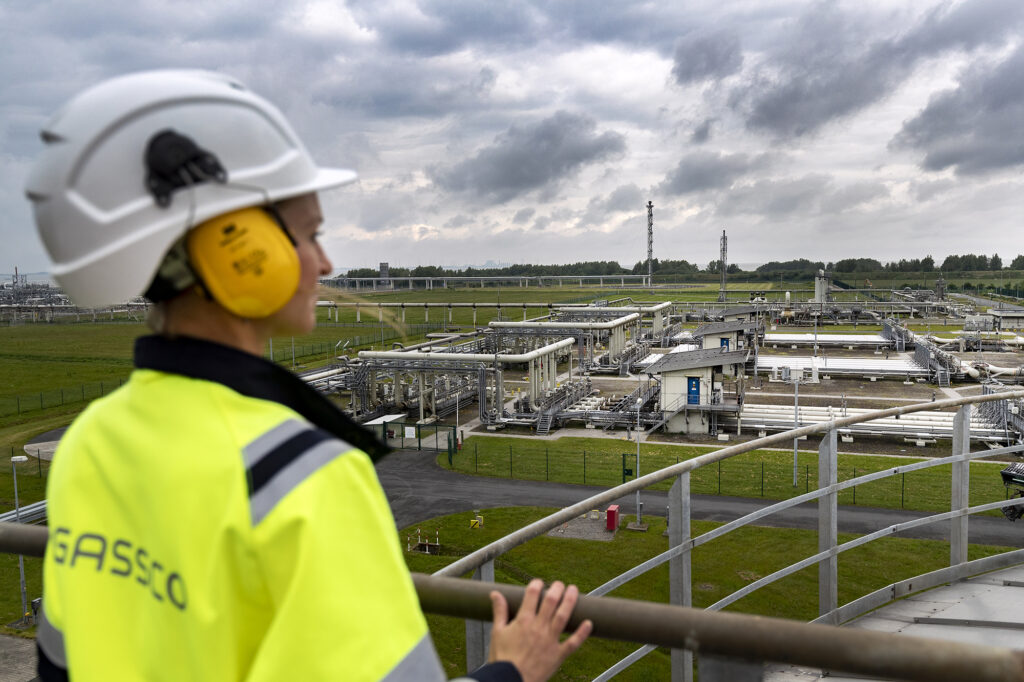
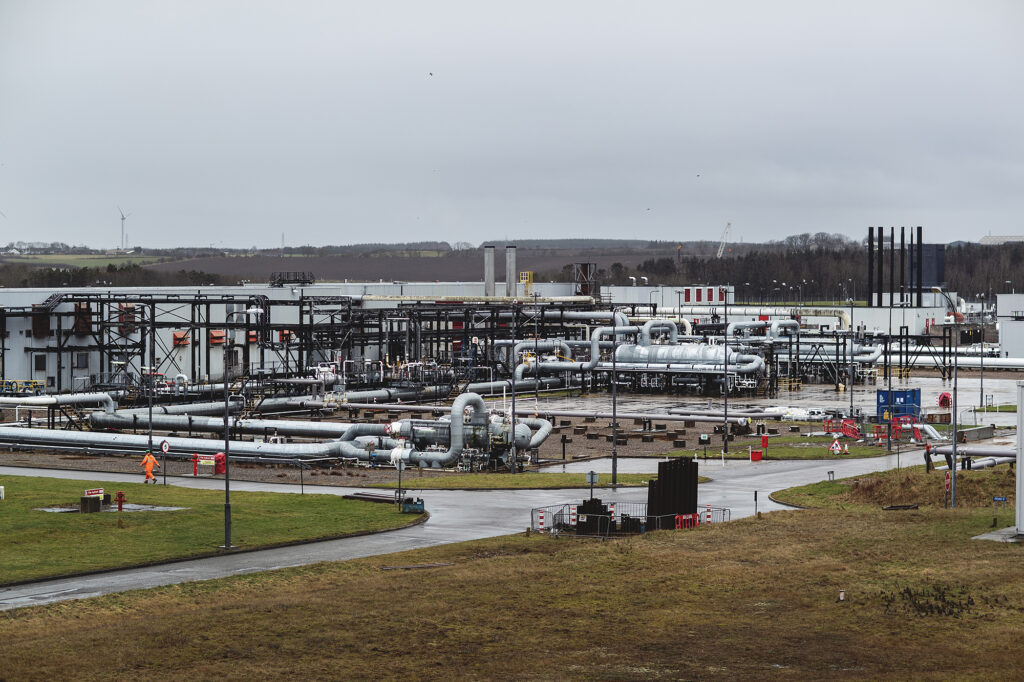
The receiving terminal in St. Fergus in Scotland is located 61 kilometres north of Aberdeen and became operational in 1977.
The terminal receives dry gas through the Vesterled system in addition to rich gas from the British Frigg (FUKA) pipeline. Gassled owns and uses part of the technical installations at the facility.
Operator: Gassco
Technical Service Provider (TSP): NSMP Operations Limited / PX Limited
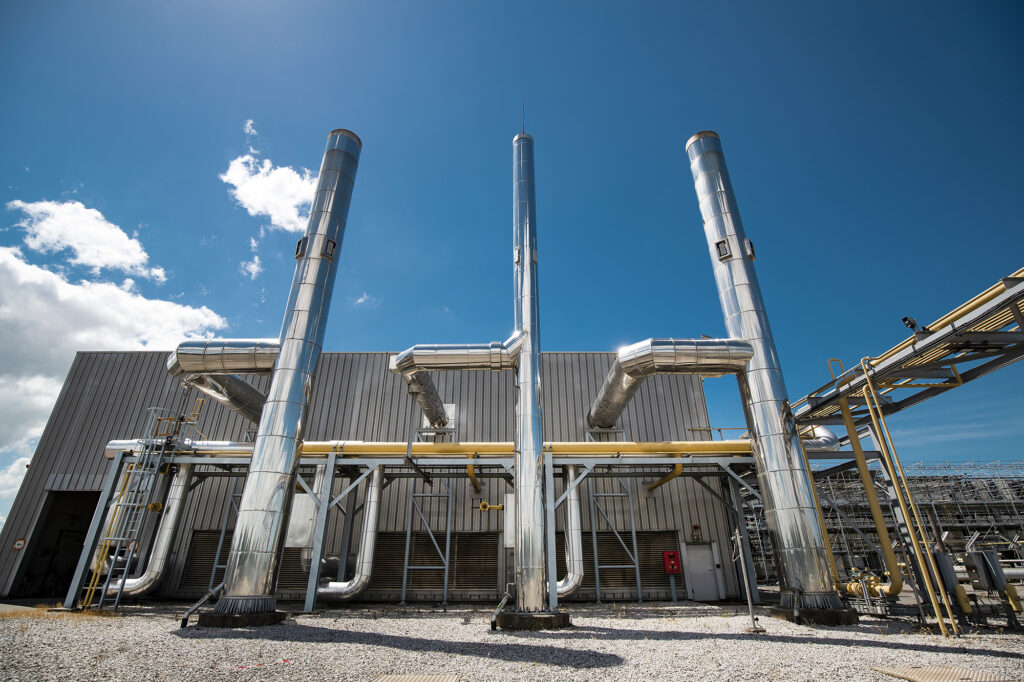
Zeepipe Terminal JV is a receiving terminal located in the Zeebrugge port area, around 5 kilometres from the landing site.
At the terminal, any liquid residue and solid particles are removed, and the gas is subjected to pressure and temperature regulation. Gas measurement and quality control are performed before the gas is sent on to the downstream transport operator.
The Zeepipe terminal also remotely controls the operational activities carried out at the receiving terminal in Dunkirk, France, the endpoint of the Franpipe pipeline.
About the joint venture
Zeepipe Terminal JV was established on September 7, 1988. The joint venture owns the receiving terminal for the Zeepipe system. The joint venture has no employees and work is organised through the ‘Management Committee’. Gassco is the operator for the joint venture and chairs the management committee.
Onshore facilities
- Kårstø gas processing plant, Norway
- Kollsnes gas processing plant, Norway
- Nyhamna gas processing plant, Norway
- Vestprosess gas processing plant, Norway
- Tjeldbergodden gas receiving facilities
- Emden receiving terminal, Germany
- Dornum receiving terminal, Germany
- Dunkerque receiving terminal, France
- Zeebrugge receiving terminal, Belgium
- St Fergus receiving terminal, UK
- Easington receiving terminal, UK
Riser/compressor platforms
- Draupner S/E
- Sleipner Riser
Areas and tariffs
The transport system is divided into areas, with fixed tariffs for transport and/or processing within each of these.
Gassled areas
A Statpipe rich gas
B Åsgard Transport rich gas
C Kårstø processing plant
D Dry gas, including platforms and receiving terminals
E Kollsnes processing plant
F Tampen Link Pipeline
G Kvitebjørn Pipeline
H Norne Gas Transport System
I Gjøa Gas Pipe
Other areas
K Haltenpipe
L Utsira High Gas Pipeline
M Vestprosess Pipeline
N Vestprosess Mongstad
O Polarled
P Nyhamna