
Reliable energy to Europe
Moving energy – the Norwegian gas adventure
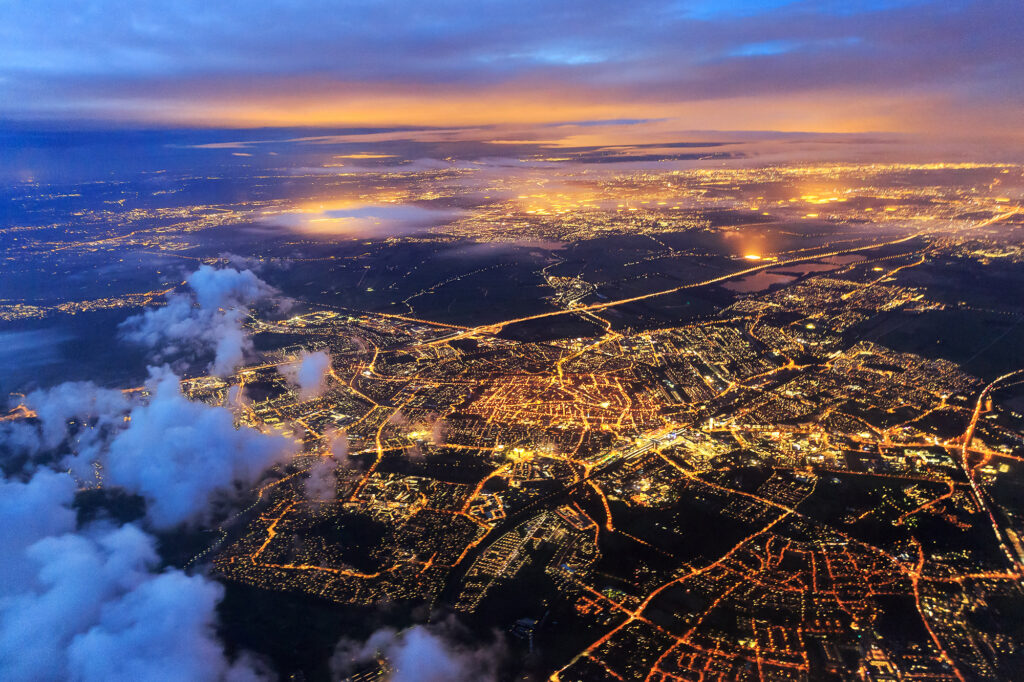
Europe uses natural gas for three main purposes: electricity generation, heating in households and commercial buildings, and industrial production. In many European countries, millions of homes are directly connected to the gas grid. For them, gas is part of everyday life – in the kitchen, the hot-water tank and the heaters.
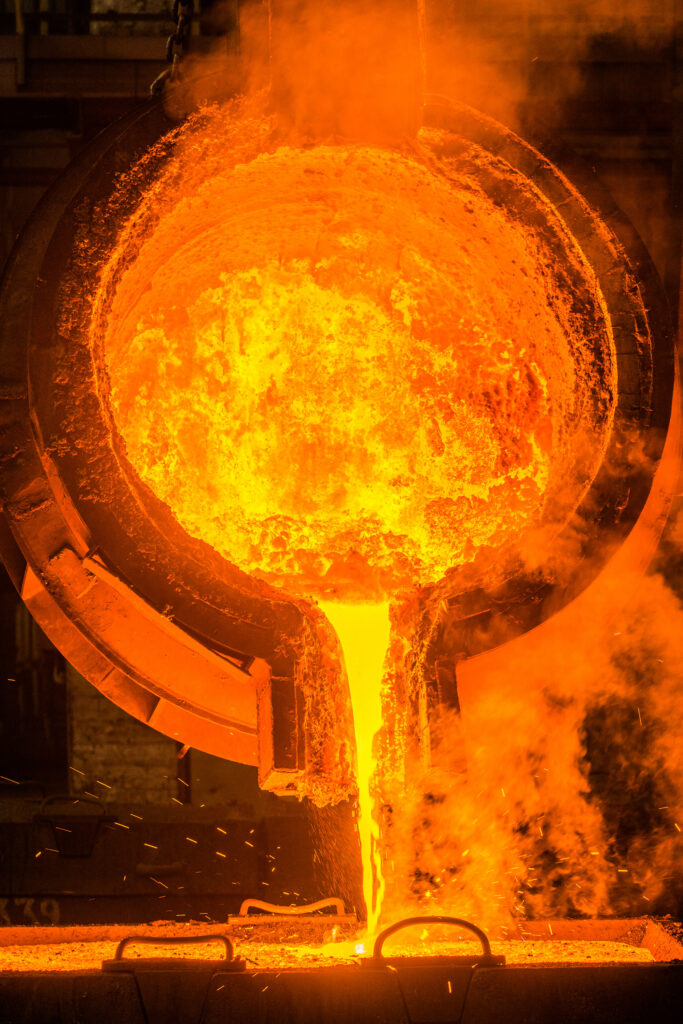
Gas is crucial in industry. Applications include the production of fertilisers, ammonia, hydrogen, plastics, steel and aluminium. Without stable gas supplies, not only power plants but also entire industrial value chains grind to a halt.
Over time, Norway has built up a position as a stable and predictable supplier in this system. Its gas is sold in an open market, transported through a regulated infrastructure, and delivered with high reliability. The fact that the transport network is operated independently of the producers has been very important for European buyers, creating trust in the system. Gassco has played a central role in ensuring that Norway is regarded as a dependable supplier of gas to Europe.
This became clearer than ever in 2022. Russia’s full-scale invasion of Ukraine led to a sharp reduction in its gas deliveries to Europe. An energy system receiving big gas volumes from the east for decades had to adapt almost overnight. Markets were unsettled, prices rose and energy supplies became an issue for both economics and security.
Norway could not replace the whole volume which disappeared, but its gas acquired a far more important role than before. Since 2022, Norway has accounted for around a third of the EU’s total gas imports and replaced Russia as Europe’s largest single supplier of natural gas. Norwegian gas became crucial for several countries in north western Europe in maintaining electricity generation, industrial activity and winter heating. In 2023, gas transport by pipeline to Europe was defined as an essential national function under Norwegian law, and Gassco was brought within the scope of the Security Act.
This development clearly demonstrated that energy policy is also security policy, and put Gassco on the radar with a number of players.
CEO Frode Leversund, who has worked at Gassco since 2015, sums up the shift as follows:
“If someone had told me in 2015 that I would be meeting Nato or that Swedish TV would take an interest in Gassco, I wouldn’t have believed them.”
Security of supply rests on more than pipelines, compressors and capacity. It also involves political stability, predictable frameworks and trust between countries. In circumstances where energy supply became a geopolitical instrument, stable deliveries from Norway gained new significance. Norwegian maintenance plans and operational decisions suddenly had direct consequences for European energy prices and economic activity.
Europe is simultaneously undergoing a far-reaching energy transition. The EU has set ambitious targets for reducing greenhouse gas emissions and boosting the share of renewable energy. Wind and solar power are being developed at high speed. But energy systems are complex, and the transition will take time. Natural gas therefore continues to play an important role.
First, gas has replaced coal for power generation in a number of countries, contributing to substantial emission reductions. Second, gas-fired power stations provide flexible balancing supplies in systems with much variable renewable energy. When the wind drops or the sun does not shine, gas-fuelled generation can be adjusted quickly to maintain stability in the power system.
This does not mean natural gas will be a permanent solution in a low emission society. Its role is changing, but the experience of recent years clearly shows that the transition to new solutions must be secure. Robust energy systems do not become less important during periods of major change, and Norwegian natural gas – in combination with carbon capture and storage – can remain a long-term and predictable solution for industry and power generation.
But today’s high level of production from the Norwegian continental shelf will not persist indefinitely. Several of Norway’s largest fields are in decline, and substantial export volumes cannot be taken for granted. New discoveries and continued development of existing fields will be crucial for both deliveries to Europe and value creation in Norway.
Over more than 50 years, Norwegian gas has been part of Europe’s energy mix. And Gassco has handled its transport for 25 of these years. World leading infrastructure, high levels of expertise and close cooperation across the whole industry have been built step by step. This is a solid foundation, and a responsibility which carries obligations.